Oxalates: The IBS Trigger No One is Talking About
Published on February 14, 2019 by Dr. Caitlin Gordon
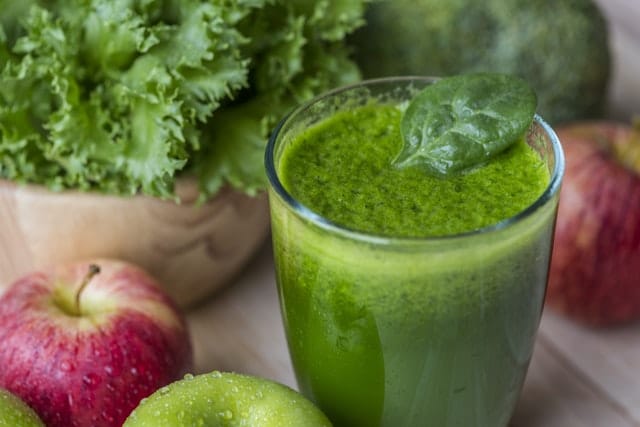 Did you know that eating too many almonds could trigger joint pain, headaches, and IBS? Your green smoothie with 3 handfuls of raw spinach and soy milk can cause the same problem. It’s all because of oxalates.
High-oxalate Symptoms
Eating a high-oxalate diet can be a cause of systemic inflammation. The following symptoms can be caused by high-oxalates in the blood:
- joint pain
- aching muscles
- headaches
- irritable bladder (frequent urination, nocturia, bladder pressure)
- irritable bowel (constipation, diarrhea, cramping, gas, urgency)
- kidney stones
- and vulvodynia
Oxalates are abundant in many plant foods. In high amounts, they lead to oxidative damage and glutathione (antioxidant) depletion. Our bodies also synthesize oxalates from excess Vitamin C, yeast, and fructose. Meaning, high intake of Vitamin C or fructose, as well as fungal overgrowth can all worsen symptoms. These factors may also cause you to be more sensitive to high-oxalate foods.
Deficiencies of magnesium, B-6, and thiamine lead to increased oxalate synthesis. It is important to address these deficiencies if you are experiencing oxalate sensitivity.
Foods highest in oxalates are spinach, nuts, beets, soy, lentils, coffee, and chocolate. You can reduce the oxalate content of dark leafy greens by cooking them. Beans and lentils can be soaked, rinsed, and sprouted before cooking to reduce these compounds.
Oxalate Dumping
When you first reduce these compounds from your diet you may experience “oxalate dumping”. Your body forms crystals from oxalates that bind to calcium and these are excreted in the bowel. Oxalate-dumping can feel like a strong detox reaction. You may experience worse digestive upset, headaches, increased fatigue, aching, and flu-like symptoms.
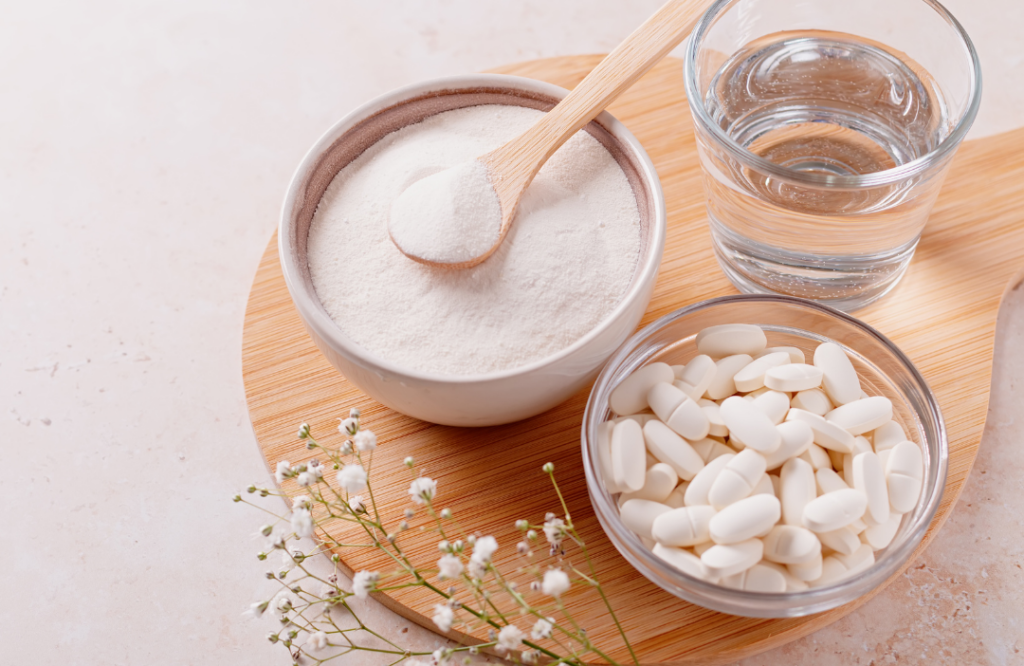
If you’re eating spinach, nuts, beets, soy, or lentils daily and dealing with symptoms of autoimmune disease or inflammation, consider slowly reducing your oxalate intake. Calcium citrate supplementation can aid in preventing oxalates from binding to calcium to form crystals.
This is a great example of why there is no one-size-fits-all diet. Vegan diets high in soy, spinach, beets, and soy can be hugely inflammatory due to high-oxalate content. Green smoothies and nut-based keto/paleo snacks could be the cause of your IBS.
Are you interested in testing for oxalates in your urine to see if this is a factor in your health challenges? Schedule a functional medicine consult! I offer distance consulting and I can ship test kits to you anywhere in the US (except NY) if you aren’t local.
The contents of this site, including text, graphics, images, and other material are for informational purposes only. Nothing contained in this site is or should be considered or used as a substitute for professional medical or mental health advice, diagnosis, or treatment. Please schedule an appointment for personalized health advice.